How Much Does Ecommerce Fulfilment Cost in the UK?
Understanding ecommerce fulfilment cost is an important step for businesses looking to scale. As order volumes increase, many companies begin to explore outsourced fulfilment to improve efficiency, reduce operational pressure and maintain delivery performance.
However, ecommerce fulfilment cost in the UK is not fixed. It varies depending on several factors, including order volumes, product types and delivery requirements.
Rather than focusing on set pricing, it is more useful to understand what drives fulfilment costs and how businesses can manage them effectively as they grow.
Understanding ecommerce fulfilment cost in the UK helps businesses make informed decisions as they scale and manage increasing order volumes.
Why Ecommerce Fulfilment Costs Vary in the UK
Ecommerce fulfilment is not a one-size-fits-all service. Each business operates differently, and fulfilment requirements can vary significantly depending on how products are stored, processed and shipped.
Factors such as the size of your product range, the number of orders you handle and the level of service required all influence overall cost.
Because of this, most ecommerce fulfilment providers offer tailored solutions designed to match each business rather than fixed pricing packages.
Key Factors That Affect Ecommerce Fulfilment Cost
Understanding the core cost drivers helps businesses make more informed decisions when reviewing fulfilment options.
Storage Requirements
Storage costs are influenced by the amount of stock held and how it is stored within the warehouse.
For example:
- Pallet storage is typically used for larger or bulk items
- Shelving systems are used for smaller products
Efficient stock management can help reduce storage requirements and improve overall cost efficiency.
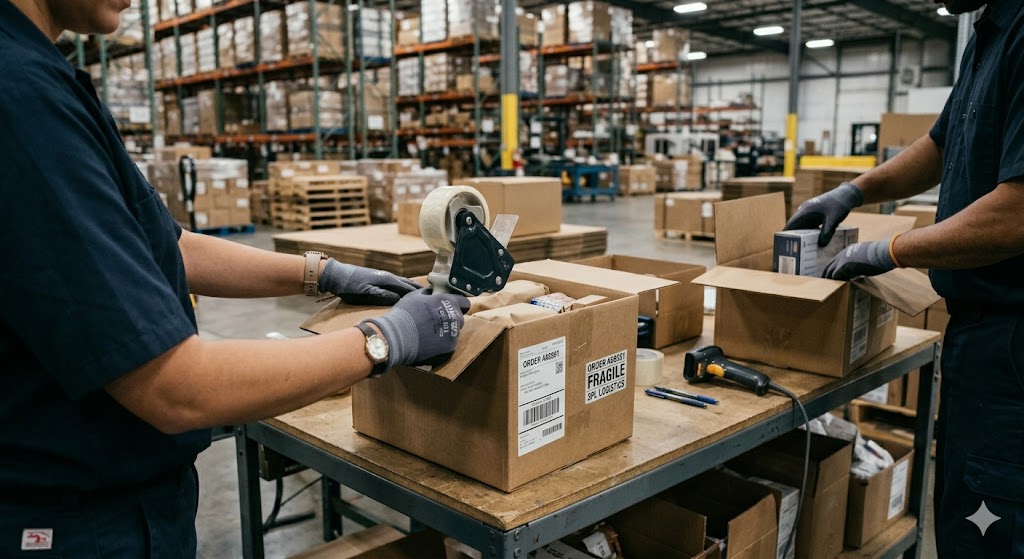
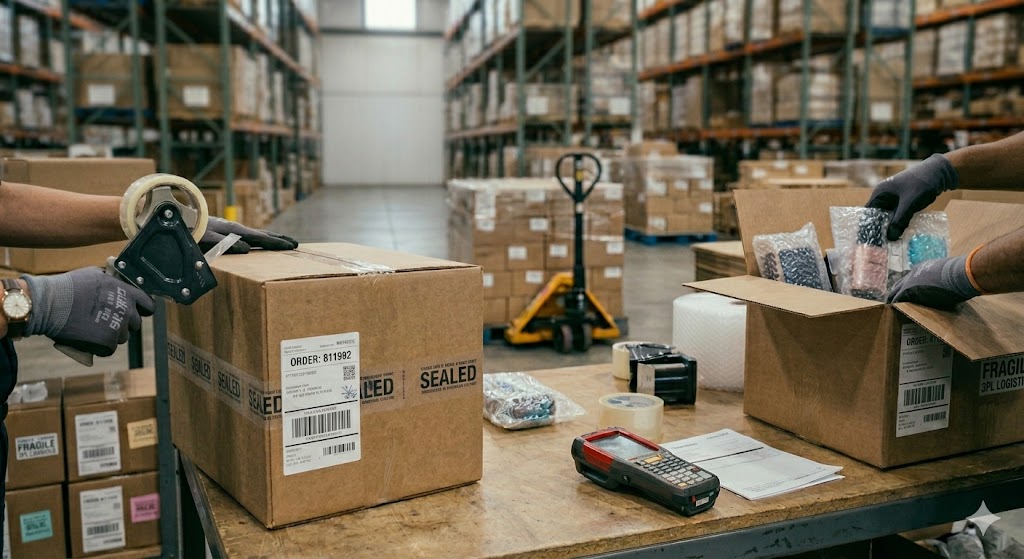
Pick and Pack Complexity
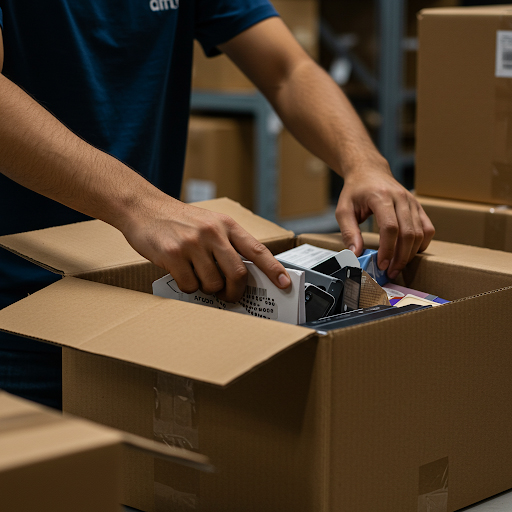
The way orders are processed has a direct impact on fulfilment cost.
– Single-item orders are generally quicker and simpler to handle
– Multi-item orders require more time and coordination
– Special packaging, kitting or customised inserts increase handling time
As order complexity increases, so does the level of resource required to fulfil each order.
Shipping and Delivery
Shipping is one of the most variable elements of fulfilment cost.
This depends on:
– Delivery location, whether UK or international
– Delivery speed, such as standard, next day or same day
– Parcel size and weight
Balancing delivery speed with cost is key to maintaining both customer satisfaction and operational efficiency.
Order Volume and Scale
As order volumes increase, fulfilment processes often become more efficient.
Higher volumes allow for:
– more streamlined workflows
– improved picking efficiency
– better coordination with delivery networks
This can help businesses scale fulfilment operations more effectively over time.
The Hidden Cost of In-House Fulfilment
While managing fulfilment internally can work in the early stages, costs often increase as businesses grow.
These hidden costs can include:
– Staff time and training
– Storage space limitations
– Packing materials and equipment
– Time spent managing orders and logistics
– Increased risk of errors during busy periods
As fulfilment becomes more complex, these factors can begin to impact both efficiency and customer experience.
Many businesses reach a point where fulfilment starts to slow growth. At this stage, outsourcing becomes a more scalable option.
Have a look at our helpful when to outsource ecommerce fulfilment article.
Why Businesses Choose Outsourced Fulfilment
Outsourcing ecommerce fulfilment provides access to established systems, experienced teams and scalable infrastructure without the need for internal investment.
This can help businesses:
– Improve operational efficiency
– Reduce internal workload
– Maintain consistent delivery performance
– Focus on growth and sales
Learn more about our ecommerce fulfilment services and how we support growing businesses across the UK.
A Tailored Approach to Fulfilment Costs
Because every business operates differently, fulfilment costs are typically based on individual requirements rather than fixed pricing.
At Ontime Media Logistics, we take a flexible approach, working with businesses to understand their needs and provide fulfilment solutions that support long-term growth.
We do not require minimum order volumes, giving businesses the flexibility to scale without unnecessary pressure.
Storage is based on what you actually use, helping to ensure fulfilment costs remain efficient and aligned with your operations.
This flexible approach allows businesses to maintain control while benefiting from scalable fulfilment support.
Discuss Your Requirements
If you are reviewing your ecommerce fulfilment costs or considering outsourcing, our team can help you find the most efficient solution for your business.
Speak to us today to discuss your requirements and receive a tailored fulfilment solution based on your business needs.
No obligation — we’ll simply discuss what you need.